
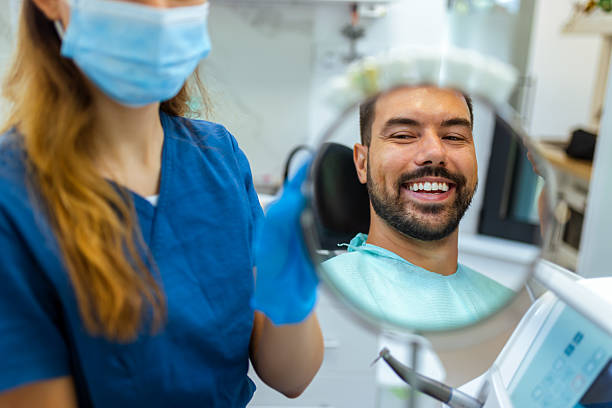
Teeth grinding, medically known as bruxism, is a common condition that affects both children and adults. It involves the involuntary clenching or grinding of the teeth, often occurring at night while you sleep. Many people don’t realize they grind their teeth until a partner notices the sound or dental issues appear. Over time, untreated teeth grinding can cause significant oral health problems, including worn enamel, tooth fractures, jaw pain, and headaches.
Understanding Teeth Grinding
Bruxism can happen for a variety of reasons. Stress and anxiety are major contributors, causing muscles in the jaw to tense and teeth to clench, often without conscious awareness. Sleep disorders, such as sleep apnea, can also increase the likelihood of nighttime grinding. In some cases, an uneven bite or misaligned teeth may play a role. Lifestyle factors, including excessive caffeine or alcohol consumption, smoking, or certain medications, can further exacerbate the problem.
Recognizing teeth grinding early is important. Common signs include waking up with jaw soreness or tension, experiencing frequent headaches, noticing tooth sensitivity, or seeing visible wear on the teeth. Even mild bruxism can gradually damage teeth, so early detection and treatment are key to preventing long-term consequences.
The Impact on Oral Health
Repeated teeth grinding can have serious effects on oral health. One of the most obvious is tooth damage. Enamel can wear down over time, and teeth may become chipped or cracked. This not only affects the appearance of your smile but also increases the risk of cavities and tooth sensitivity.
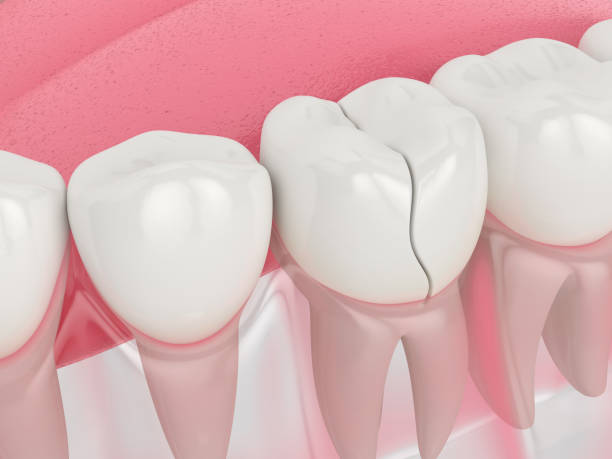
Bruxism can also strain the jaw muscles and joints. Many people who grind their teeth experience tension in the jaw, clicking or popping when opening and closing the mouth, and discomfort that can radiate to the head or neck. Chronic grinding may even contribute to temporomandibular joint (TMJ) disorders, which can affect chewing and speaking.
In addition to dental and jaw issues, teeth grinding can impact sleep quality. The physical strain and occasional noise can disturb both the individual and their sleep partner, leading to fatigue and decreased daytime energy.
Diagnosing Teeth Grinding
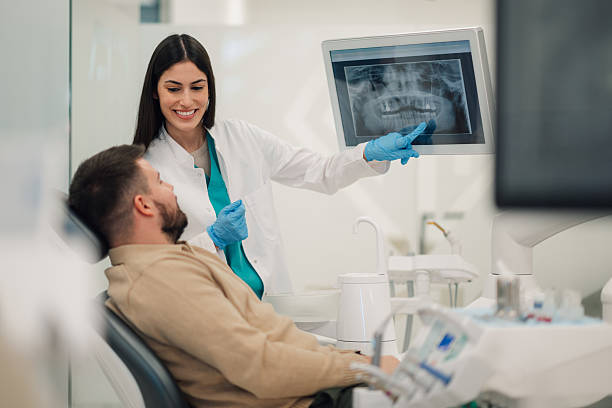
A dentist can diagnose bruxism through a combination of physical examination and patient history. During an exam, the dentist looks for signs such as worn teeth, enamel loss, and changes in the bite. They may also ask about symptoms like jaw pain, headaches, or morning fatigue. In some cases, imaging or referral to a sleep specialist may be recommended if a sleep disorder is suspected.
Early diagnosis is crucial. Even if symptoms are mild, a dentist can provide guidance to prevent further damage and reduce discomfort. Regular dental checkups are an ideal time to discuss any concerns about teeth grinding.
Treatment Options
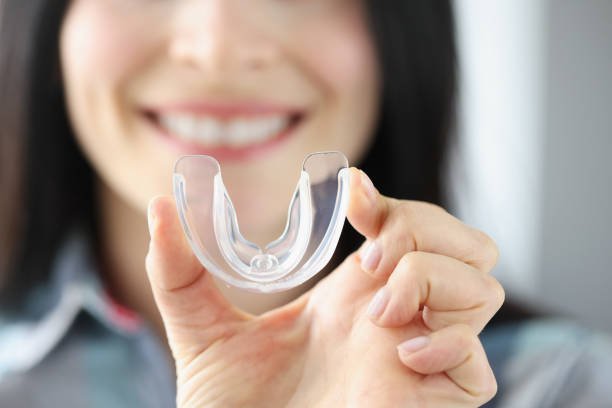
Treatment for teeth grinding depends on the severity and underlying causes. One of the most common solutions is a custom-fitted nightguard. This dental appliance is worn over the teeth while sleeping and acts as a protective barrier to prevent wear and reduce jaw strain. Nightguards are personalized to fit comfortably and are made from durable materials to withstand grinding forces.
Addressing stress and lifestyle factors can also help. Techniques such as meditation, therapy, or physical relaxation exercises may reduce daytime clenching and nighttime grinding. In some cases, adjusting a misaligned bite through dental procedures can provide relief. For patients with chronic bruxism linked to sleep disorders, coordinating care with a sleep specialist may be necessary to address the root cause.
Behavioral strategies can be beneficial as well. Learning to be mindful of jaw tension during the day and consciously relaxing the muscles can reduce the frequency and intensity of grinding. While these strategies may not eliminate bruxism entirely, they can complement other treatments and improve overall comfort.
Preventing Long-Term Damage
Even occasional teeth grinding can accumulate damage over time. Protective measures, such as wearing a nightguard and maintaining regular dental visits, are essential to preserve tooth structure and prevent more extensive dental work in the future. Practicing good sleep hygiene, managing stress, and limiting alcohol or caffeine intake can also reduce the likelihood of grinding.
By taking action early, you can protect your teeth, prevent jaw discomfort, and improve overall oral health. Dentists can provide guidance tailored to your specific needs, ensuring the most effective treatment plan.
Contact Seven Pines Dental today to schedule your consultation. We have three locations to choose from:
White Oak, Ph: 804-737-2403
Sandston, Ph: 804-737-7402
Mechanicsville, Ph: 804-730-1424